
Colors and Emotions: How the Psychology of Colors Will Influence Your Style Choices
Introduction to Color Psychology
In the vast universe of fashion, colors play a crucial role not only in the aesthetics of an outfit but also in influencing perceptions and emotions. Color psychology examines how specific shades can have different effects on our mood, behavior, and decisions, even in our fashion choices. This article will guide you through the importance of colors in the fashion world, illustrating how they can become a powerful tool for personal expression and influence the perception of others.
Meaning and Impact of Main Colors
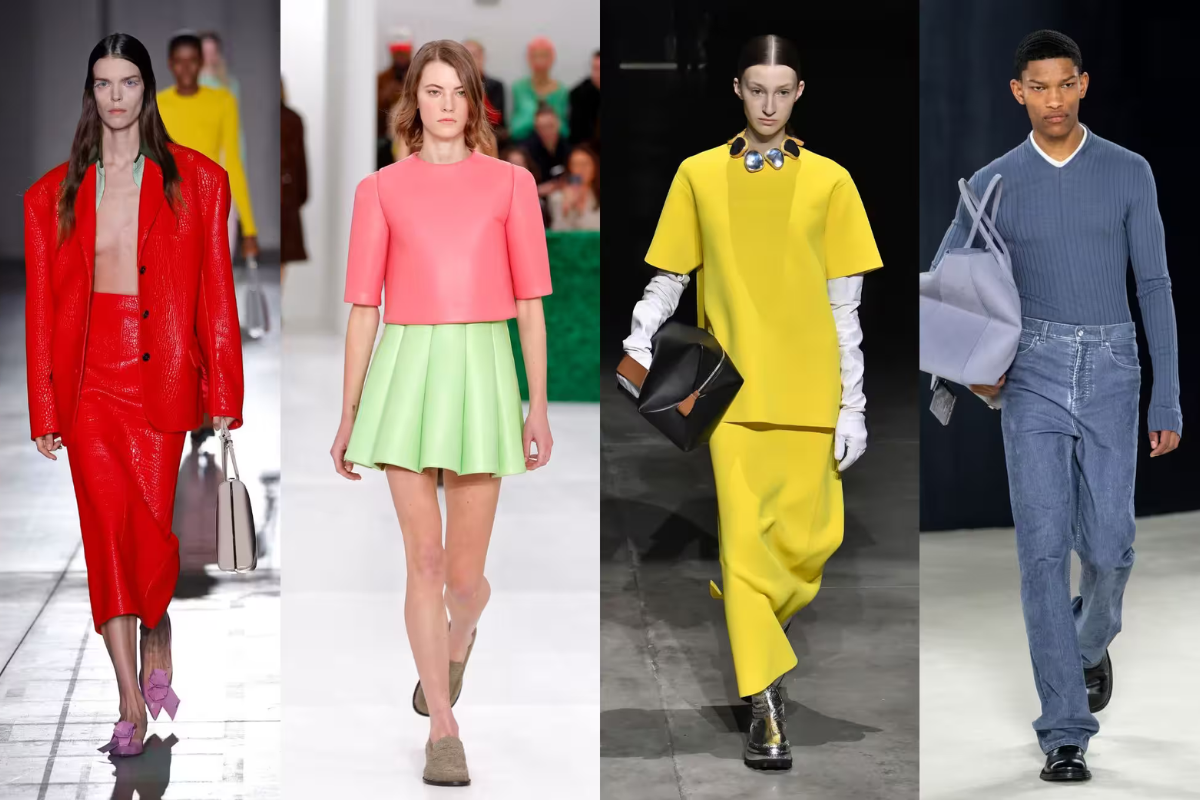
- Red: Red is the color of energy, passion, and danger. It stimulates strong emotions such as love and affection, but also anger and war. In fashion, a red dress can make a person feel bolder and more visible, ideal for events where you want to leave a memorable impression.
- Blue: Blue, in all its shades, evokes feelings of calm, stability, and professionalism. It is the preferred color for job interviews or corporate environments, as it conveys reliability and serenity.
- Yellow: Yellow, the quintessential sunny color, is associated with happiness, creativity, and optimism. Wearing yellow clothing can improve the mood of both the wearer and those around them, ideal for gloomy days or social events where you want to shine.
- Green: Green symbolizes nature, growth, and renewal. This color has a calming and relaxing effect on the psyche, making it perfect for occasions where balance and harmony are sought.
- Black: Black is a powerful color that expresses elegance, sophistication, and mystery. It is a versatile fashion choice that suits almost any occasion, from the most formal to the most casual, offering a slimming silhouette and timeless appeal.
- White: White symbolizes purity, innocence, and simplicity. This color is often associated with new beginnings and can convey a sense of freshness and cleanliness. It is perfect for summer days or for creating a minimalist and elegant look.
How to Choose the Right Colors for Your Style
There is no one-size-fits-all rule when it comes to choosing the right colors for your style. However, considering your skin tone, the context of the event, and the message you wish to convey can help you make more informed choices. For example, warm colors like red and orange can enhance skin with warm undertones, while blues and greens enhance those with cool undertones. It is also important to consider contrast: a strong contrast between the color of the clothing and the skin color will attract more attention, while a minor contrast will create a more harmonious and understated look.
The Influence of Colors on Behavior and Perceptions
Science confirms that colors can significantly influence our psyche and how we perceive others. For example, red can increase heart rate, evoking feelings of excitement or danger, while blue has the opposite effect, calming the mind and reducing stress. These instinctive reactions to colors can be strategically used in fashion to influence how you feel and how you are perceived by others.
Current Trends and Color Psychology in Fashion
Every season, the runways light up with new color palettes that reflect not only aesthetic trends but also cultural and social changes. Understanding the psychological meaning behind these chromatic choices can offer interesting insights into current trends and how designers intend to communicate through their garments. For example, an increase in the use of green tones may reflect a growing interest in sustainability and connection with nature.
Case Studies: Successful Collections and Their Color Palette
Let's analyze successful collections to see how the intelligent use of colors can play a fundamental role in brand perception and garment appeal. A notable example is the spring/summer collection that used serenity blue to evoke feelings of calm and comfort in a period of global uncertainty. This chromatic choice not only resonated emotionally with the public but also established the brand as capable of interpreting and influencing the collective mood.
Conclusion
Color psychology plays an essential role in the fashion world, influencing not only designers' choices but also consumers'. Through a deep understanding of the meaning and impact of colors, it is possible to create a wardrobe that not only expresses your personality but also positively influences your mood and how you are perceived by others. The colors we choose to wear tell a story: make sure it's a story you truly want to tell. Discover Walcor's spring/summer collection now!